
Deciding between roof repair or replacement is one of the most common questions homeowners face. Every homeowner eventually faces the same question when a roof starts acting up: is this something a quick repair can fix, or is it time to start thinking about a full replacement? It’s not always an easy call. A small leak might be a sign of a bigger issue hiding underneath, while a roof that looks rough from the ground might actually have plenty of life left in it. This guide walks through the warning signs worth paying attention to, what a professional inspection typically involves, and the factors that go into deciding between a repair and a replacement — so you can make an informed decision instead of guessing.
Warning Signs Your Roof Needs Attention Now
Some roofing problems are easy to spot, and others sneak up on you over time. Missing or curling shingles are usually the first visible clue — when shingles start to lift, crack, or curl at the edges, it means they’ve lost their flexibility and are no longer doing their job of keeping water out. Another sign to watch for is granule loss, which shows up as bald-looking patches on the shingles or gritty debris collecting in your gutters. Those granules are what protect shingles from UV rays and weather, so heavy loss usually means the shingles are wearing out faster than they should.
Leaks are the most obvious red flag, but they don’t always show up where you’d expect. Water can travel along rafters or sheathing before it ever drips onto your ceiling, so a stain in one room might actually point to a problem several feet away on the roof itself. Staining, peeling paint, or a musty smell in the attic are all worth investigating even if you haven’t noticed an active drip. Storm damage is another big one — high winds, hail, or falling branches can loosen shingles or create weak spots that aren’t visible from the ground, which is why it’s smart to have things checked after a major storm even if nothing looks obviously wrong.
Age plays a role too. Most asphalt shingle roofs are designed to last a couple of decades, though the exact lifespan depends on the material, installation quality, and local climate (your roofing contractor can give you a more specific estimate based on your roof’s history). If your roof is getting up there in years and starting to show a combination of these signs — not just one — that’s usually a stronger signal that a roof repair or replacement conversation is worth having, rather than just a patch job.
Roof Repair or Replacement: Key Factors to Consider
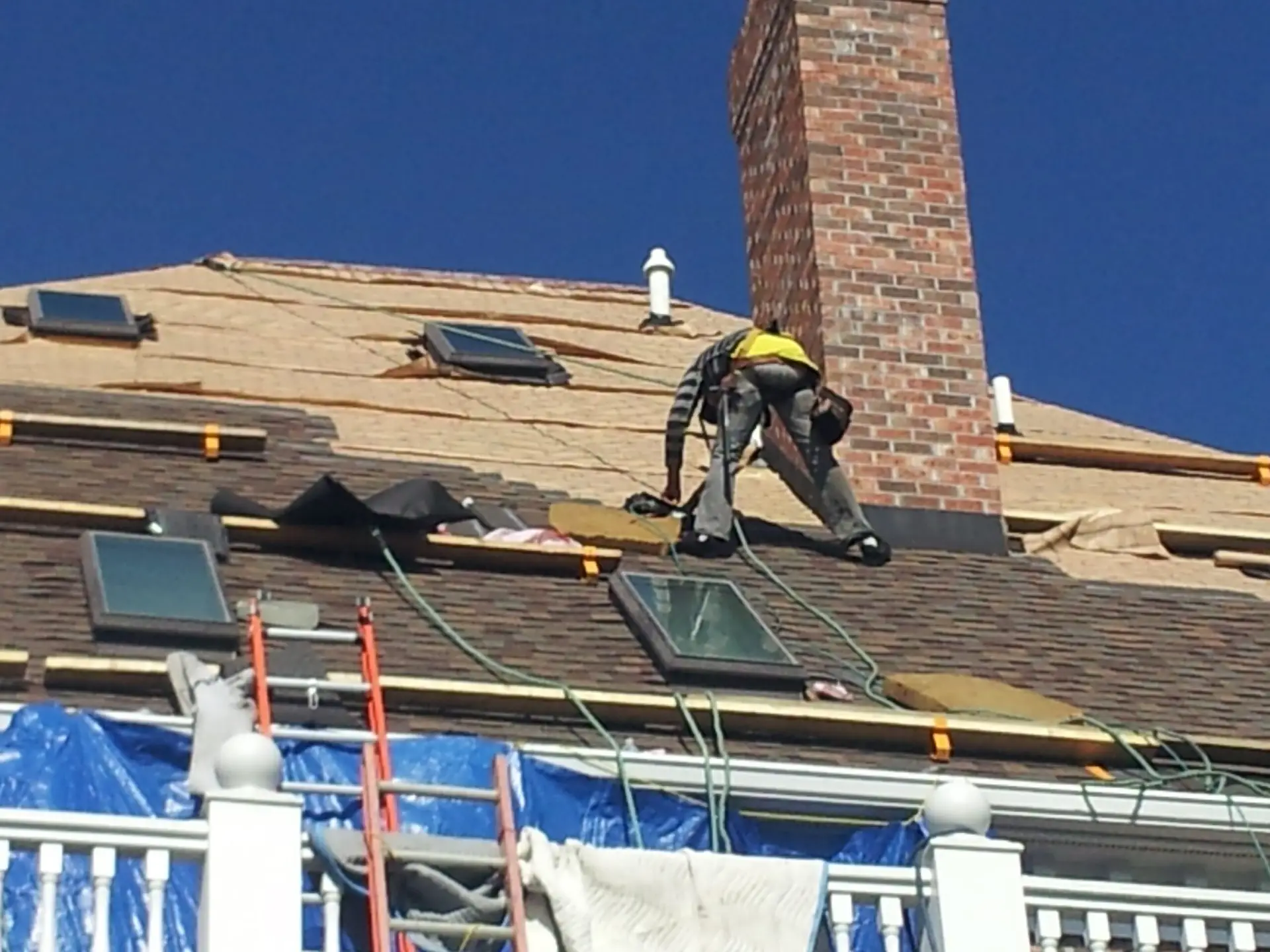
When a contractor comes out for an inspection, they’re not just looking at what’s visible from the driveway. A thorough roof inspection typically includes checking the shingles for wear, examining flashing (the metal strips around chimneys, vents, and skylights that seal out water), inspecting the attic for signs of moisture or poor ventilation, and assessing the overall structure for sagging or soft spots. This gives a much clearer picture of whether the damage is isolated or widespread, which is really the heart of the repair-versus-replace decision.
Several factors typically tip the scale one way or the other. The extent of the damage matters most — a few damaged shingles in one area is usually a straightforward repair, while widespread granule loss, multiple leak points, or damage spread across the whole roof often points toward replacement being the more practical long-term choice. The age of the roof factors in too: repairing a roof that’s already near the end of its expected lifespan may only buy a little time before more problems crop up. It’s also worth considering how many repairs the roof has already had — if you’re calling for the third or fourth patch in a few years, that pattern itself is telling you something.
Cost is naturally part of the conversation, and it’s reasonable to weigh the price of a repair against the value of a full replacement, especially if you’re planning to stay in the home for years to come. (Specific pricing and financing details should come from a direct conversation, since costs vary based on materials, roof size, and local factors.) Other things like your roof’s material, local weather patterns, and even upcoming plans to sell your home can all influence which option makes more sense. This is exactly why a hands-on inspection is so useful — it takes the guesswork out of the decision and gives you facts to work with instead of assumptions.
At the end of the day, when it comes to roof repair or replacement, the safest move when you’re unsure is to have a professional take a look rather than waiting to see if the problem gets worse. If you’re noticing any of the warning signs above, or just want peace of mind about the condition of your roof, Whittington Construction offers free inspections and estimates with no pressure attached. We’ll give you an honest read on what’s going on and walk you through your options, so you can decide what makes sense for your home and your budget.